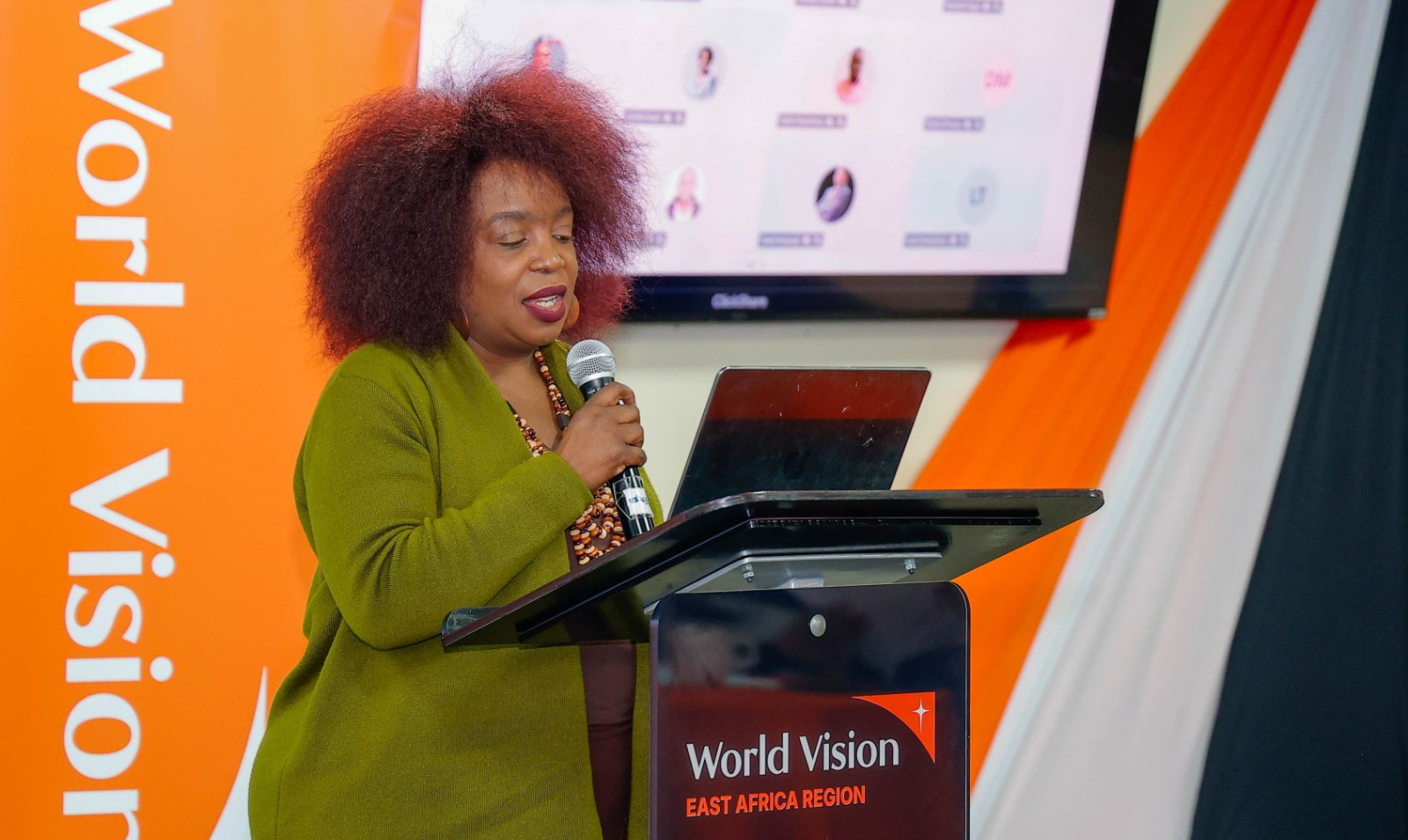
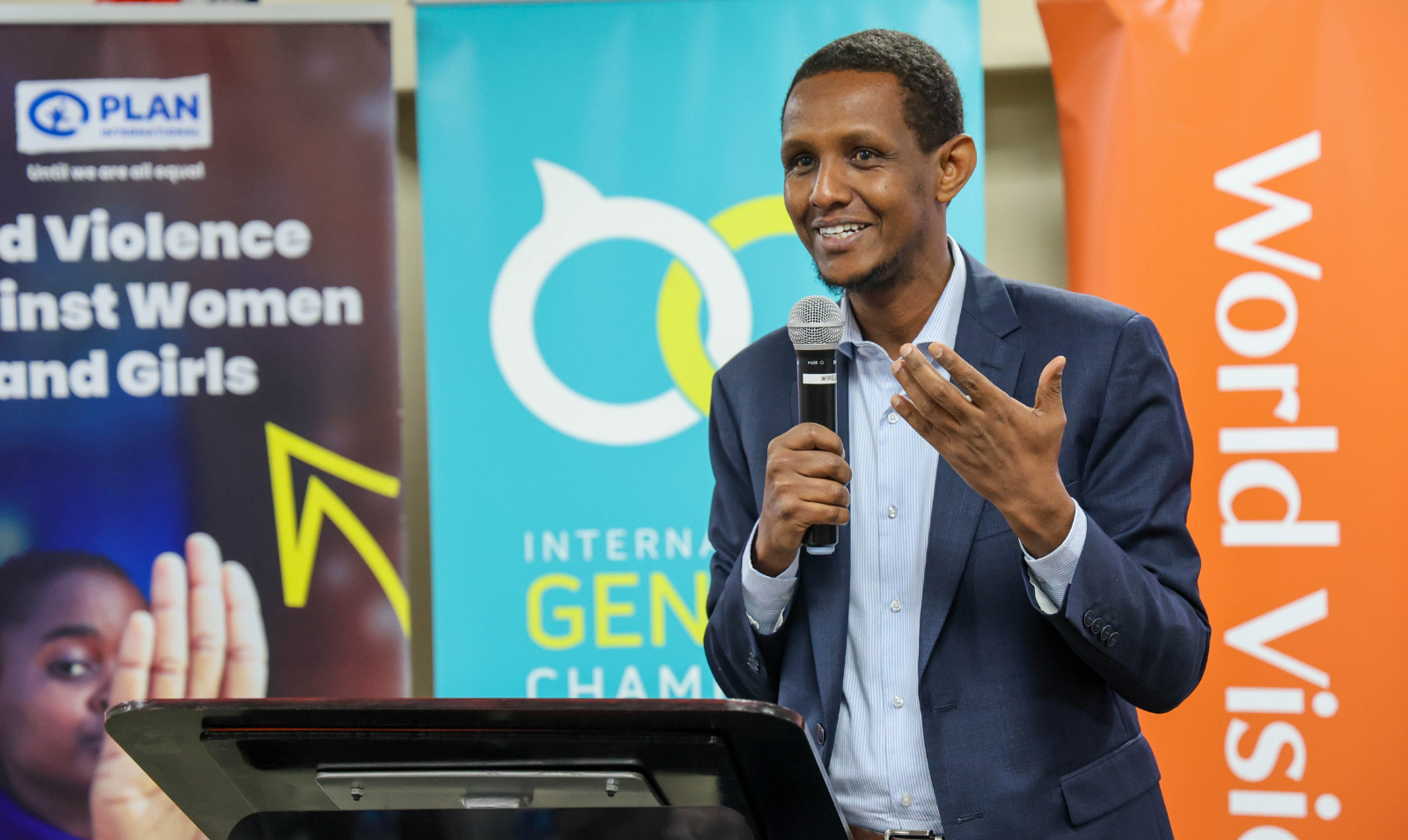
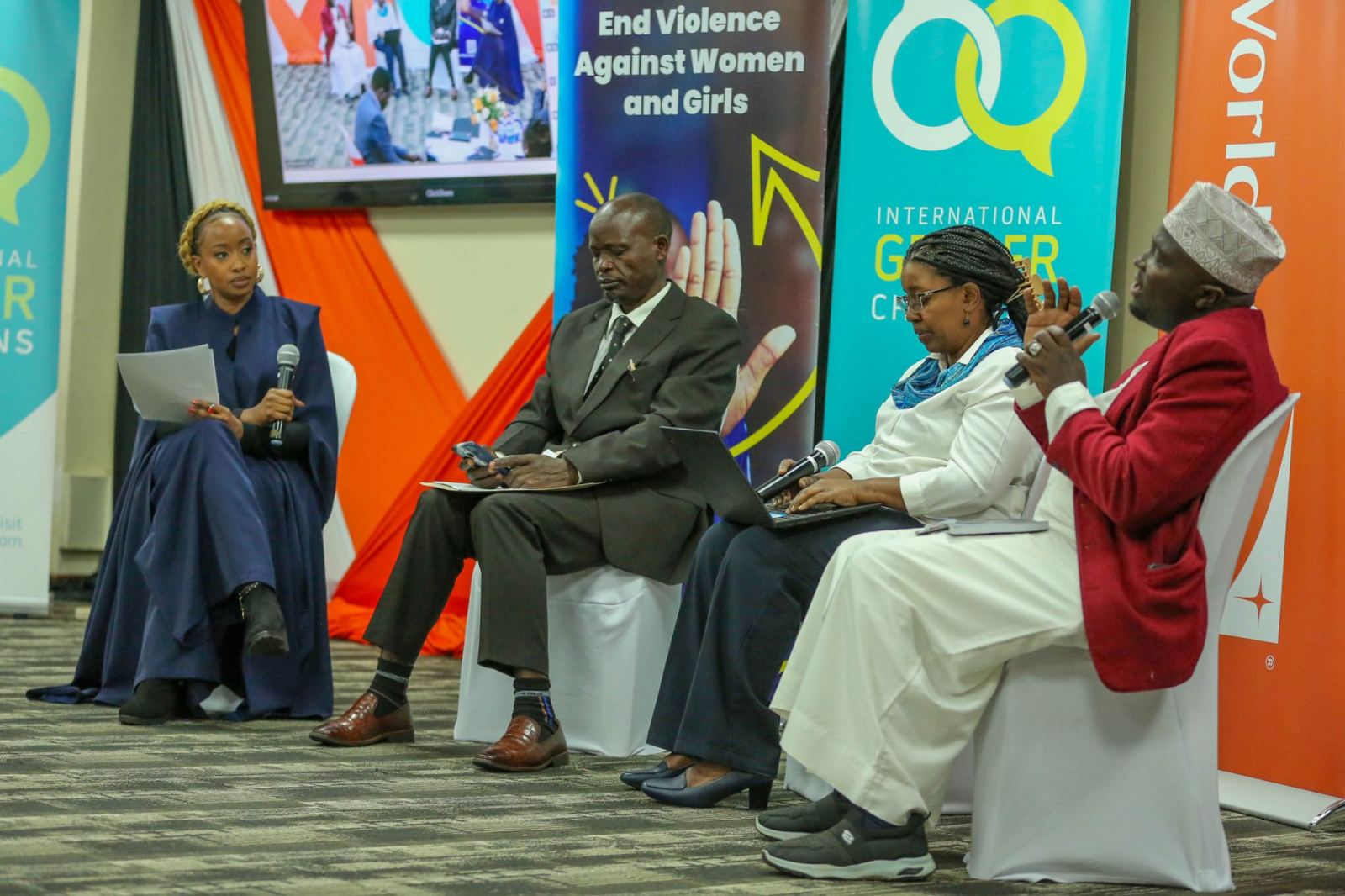
On 23 July, World Vision, in partnership with the IGC Nairobi Hub and Plan International, gathered faith leaders, government representatives, youth advocates, civil society organisations, development partners, and survivors for a high-level dialogue themed “Elevating Female Faith Leaders' Voices in Ending GBV: Centering Survivors, Strengthening Partnerships, and Shaping the Next Generation.”
A central focus of the dialogue was the often-overlooked role of female faith leaders. As pastors, spiritual counsellors, teachers, mentors, and community caregivers, women leaders in faith settings are frequently among the first to hear disclosures of abuse and to provide emotional and spiritual support to survivors. Panellists and speakers recognised their unique ability to challenge harmful interpretations of religious teachings, promote dignity and justice, and influence positive change within families and communities. Survivors shared reflections on experiences of silence, stigma, and inadequate responses when reporting abuse, while others spoke of receiving compassion, encouragement, and support from female church leaders and faith communities. These testimonies reinforced the need for faith institutions to adopt survivor-centred approaches that prioritise safety, confidentiality, accountability, and access to appropriate support services, and to engage faith actors in transforming the norms that fuel social inequality.
Key themes emerging from the discussion included:
1. Addressing Patriarchal Norms and Structures: Many faith institutions continue to be influenced by patriarchal beliefs and practices that limit women's leadership and participation. There is a need for intentional transformation towards gender-equitable leadership and decision-making.
2. Promoting Gender-Responsive Interpretation of Religious Texts: Misinterpretation and misuse of religious teachings can perpetuate harmful gender norms and violence. Faith leaders should actively promote interpretations that uphold dignity, equality, justice, and non-violence.
3. Challenging Harmful Social and Cultural Norms: Deep-rooted cultural practices and social expectations continue to drive GBV. Faith actors have a critical role in challenging harmful norms and promoting positive social change.
4. Strengthening Intergenerational Dialogue: Creating opportunities for engagement between generations can facilitate the exchange of wisdom, experiences, and innovation, strengthening collective action to end GBV.
5. Advancing Disability Inclusion: GBV prevention and response efforts must intentionally address the needs, rights, and lived experiences of women and girls with disabilities, ensuring accessibility and meaningful participation.
6. Harnessing Digital Platforms for Social Change: Social media and other digital platforms should be utilised strategically to raise awareness, amplify survivor-centered messages, challenge harmful narratives, and foster community accountability in ending GBV.
7. Rebuilding Trust in Faith-Based GBV Response: A trust deficit exists regarding the role of faith leaders in supporting survivors, particularly in cases of sexual and gender-based violence. Strengthening survivor-centered, confidential, rights-based, and accountable approaches is essential to restoring trust and increasing access to support services.